Thank You Hometown
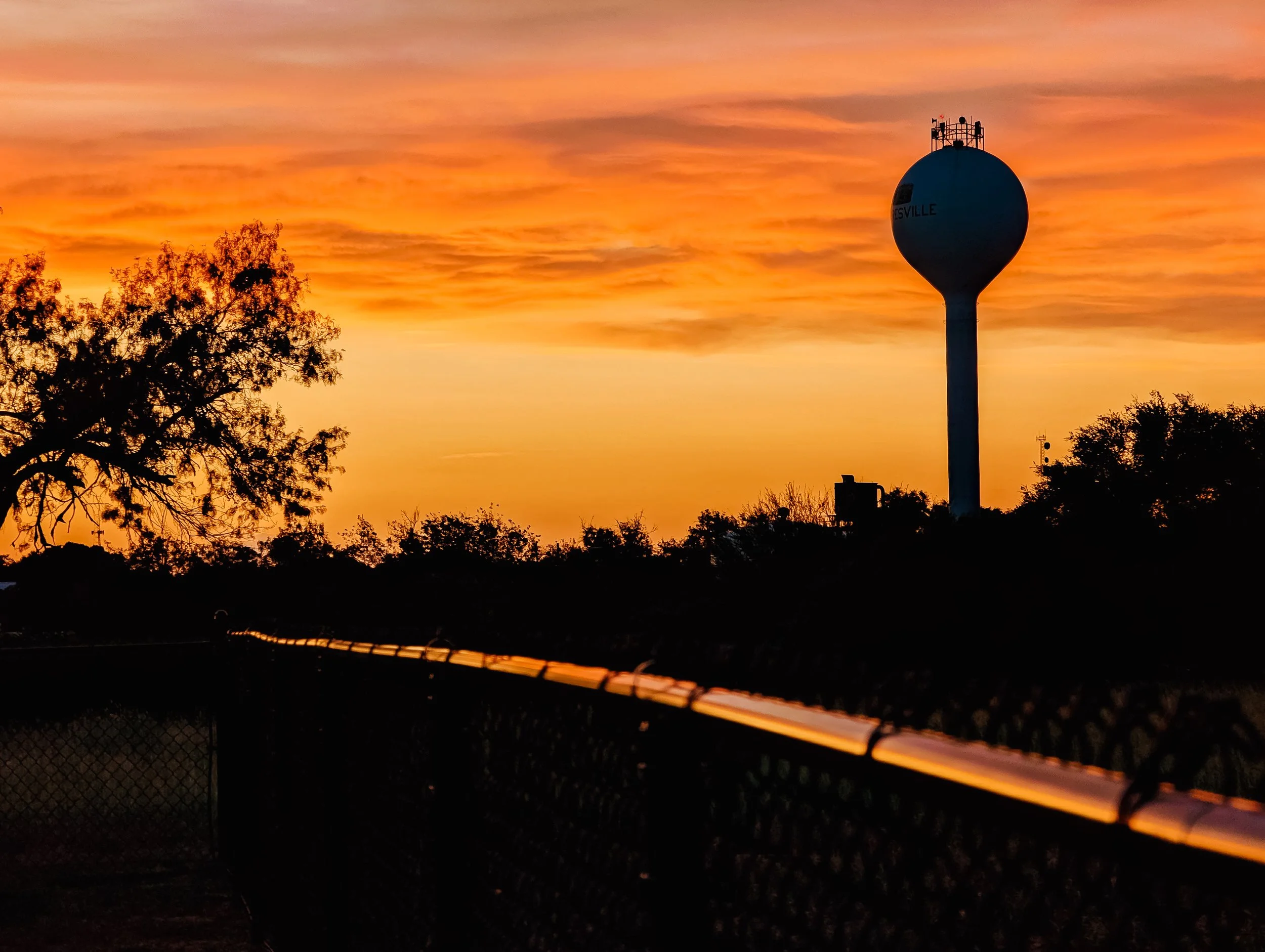
The Water Tower at Sunset
Thank you, hometown, for that water tower standing out there like a government-approved moon, black against a sky so orange it looks like God spilled barbecue sauce across the heavens. Thank you for the quiet evenings when the whole town looked more beautiful than it had any right to, considering what we all knew was hiding under the surface.
There is a strange mercy in a sunset over a place that has kicked your teeth in. For a few minutes, the bad roads, the hard faces, the gossip, the small ambitions, the unpaid bills, and the busted family histories all get dipped in gold. And you stand there thinking maybe this place was not a trap after all. Maybe it was a forge. Maybe it burned because it had to.
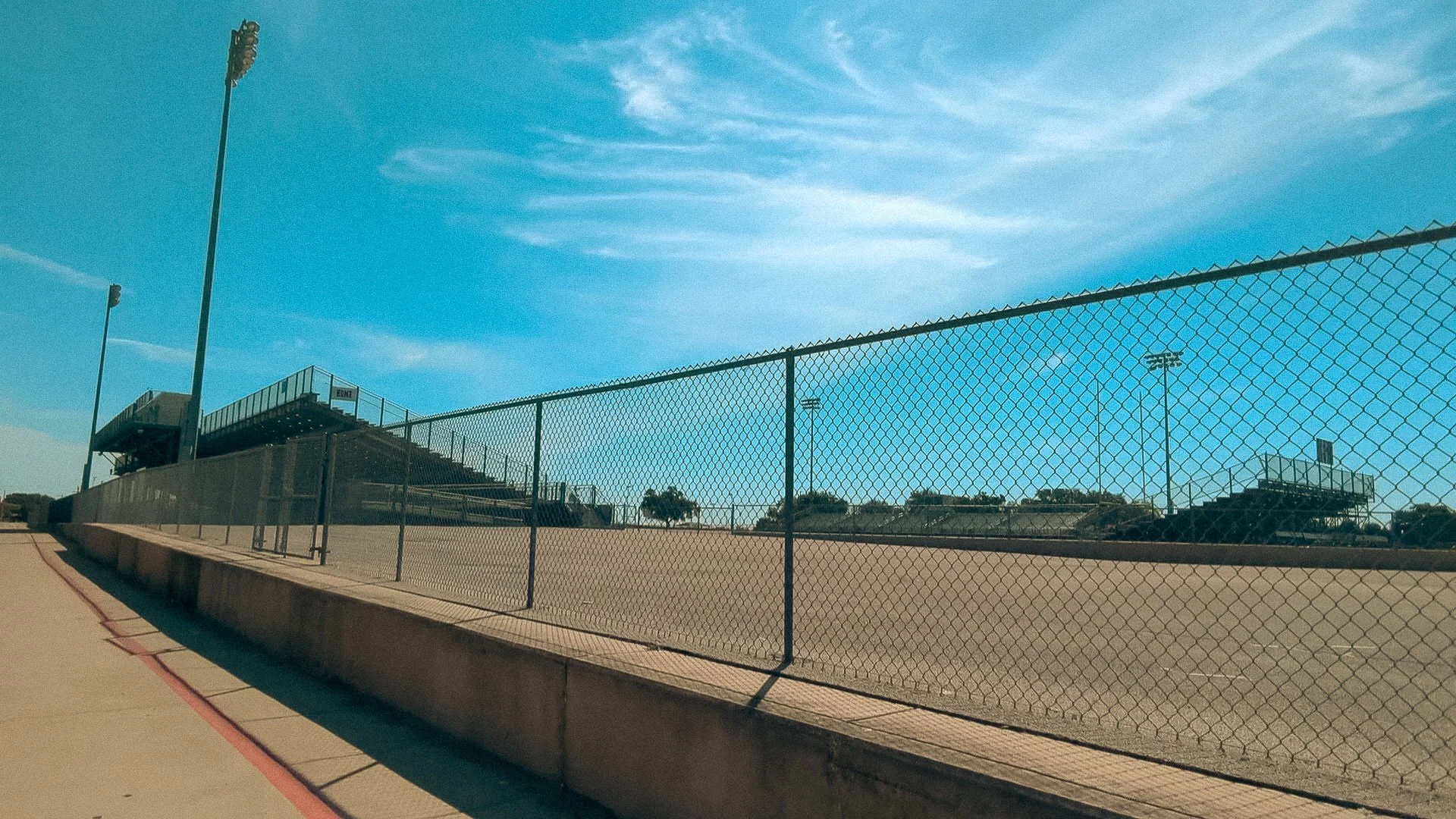
The School Behind the Fence
Thank you to the school that educated me as far as it was allowed. That is not an insult. That is a diagnosis. It had a fence, a football field, a scoreboard, and a whole arsenal of adults trying to make miracles out of state funding, old textbooks, local politics, and teenagers who already knew the world was harder than the brochures said. It did not prepare me for much. Not really. It did not teach me how to navigate power, money, class, or the greasy machinery of respectable society. But it did teach me how to read, how to do enough math to know when somebody was robbing me, and how to adapt when the plan went sideways. That counts. In some places, that is not an education. That is survival training with a bell schedule.
The Little Building Where People Counted Pennies
Thank you to the plain little buildings where working people walked in with dirt on their boots, worry in their eyes, and just enough pride to keep from asking for help until the last possible minute. Thank you to the poverty too, although I say that through clenched teeth. Poverty is not noble. That is a lie rich people tell at charity dinners so they can sleep with clean consciences and full bellies. Poverty is a thief. It steals time, health, imagination, confidence, and sometimes whole bloodlines. But it also taught me to see the people living outside the local social norms, the ones the town whispered about, judged, avoided, and secretly feared because they were proof that the system had cracks big enough to swallow a family. Thank you for showing me there is a better way, and thank you for making damn sure I had to go looking for it.
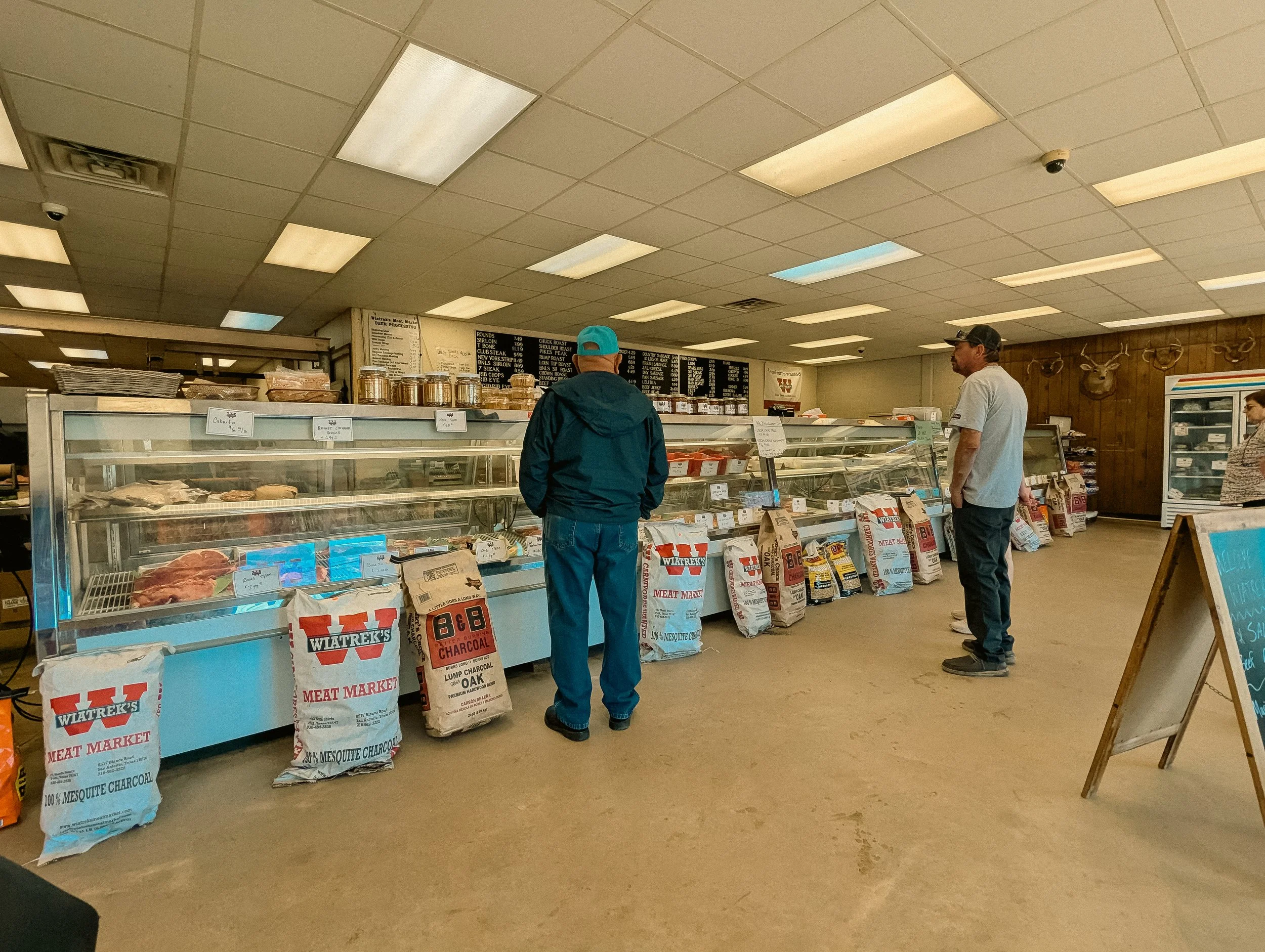
The Meat Market and the Old Men
Thank you to the crodgety old bastards standing around counters like they were guarding the gates of Rome. Every small town has them. Men who knew everything about everybody and very little about the actual world. They were big fish in a pond so small you could cross it with a good pair of boots and a bad attitude. I resented them for years. I resented their certainty, their suspicion, their little kingdoms built out of routine and reputation. But I cannot blame them for all of it. They were haunted too. Haunted by work, by class, by church gossip, by family shame, by wars they never talked about, by dreams they buried in backyards beside dead dogs and broken lawnmowers. They taught me something, even when they were wrong. They taught me not to fear a world I did not know. They had mistaken familiarity for wisdom, and I decided I would rather be terrified and free than comfortable and blind.
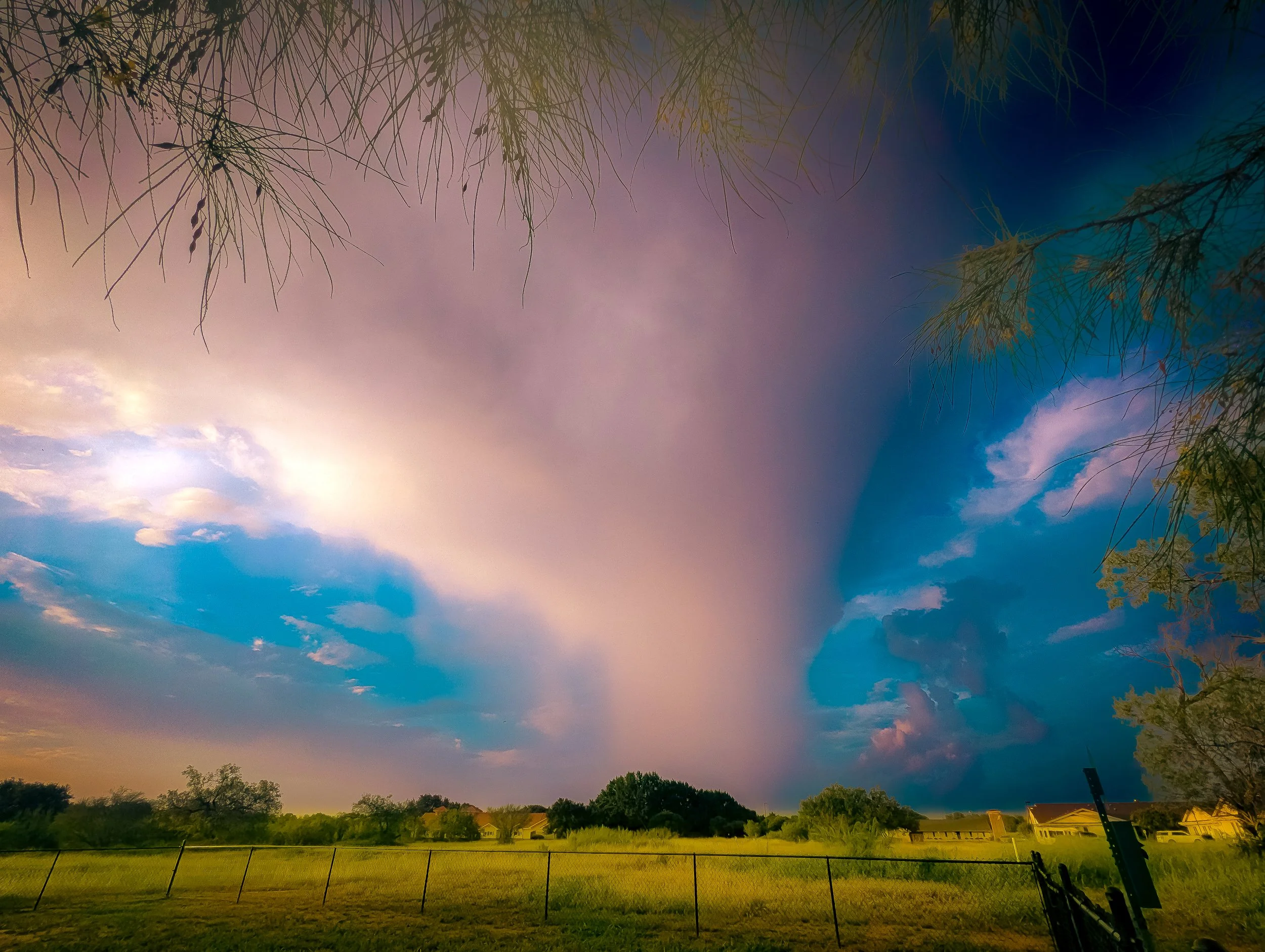
The Storm Coming Over the Field
Thank you for the storms. Not the polite little weather events that make people say, “Looks like rain.” I mean the real ones. The black-bellied beasts rolling over the field like judgment with a low growl. Thank you for the storms of life too, the ones that beat me down, dragged me into depression, sadness, confusion, and a kind of spiritual mud that no church slogan could pull me out of. I did not enjoy it. I am not going to romanticize getting your soul stomped flat. But somewhere down there, under all that thunder, I found parts of myself that the daylight had never introduced me to. Pain is a rotten teacher, but it is thorough. It does not care about your schedule. It does not care about your politics. It shows up, kicks the door in, drinks your coffee, and makes you answer questions you spent years avoiding.
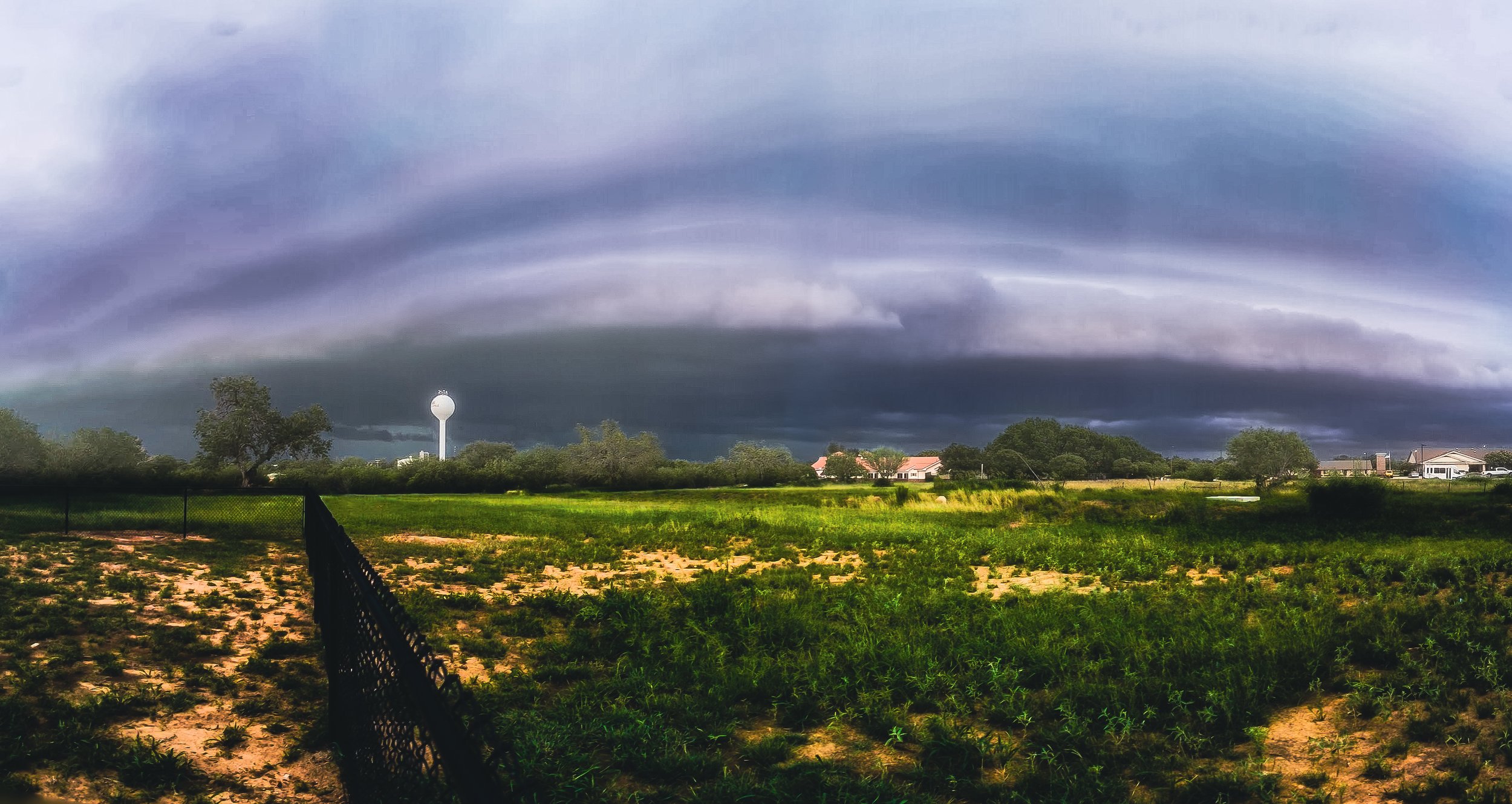
The Sky Opening Wide
Thank you for the wild, impossible skies that made the town feel bigger than its own imagination. There were days when the clouds stacked up like some lunatic cathedral, and the whole horizon looked like a sermon nobody had written down yet. That is the contradiction of rural America. It can be narrow enough to choke you and wide enough to save you, sometimes in the same afternoon. The people could be small, but the sky never was. The institutions could be tired, but the weather still had ambition. I learned to look up because sometimes looking around was too depressing. And there, above the fences and houses and old resentments, was proof that the world had more room in it than the town wanted me to believe.
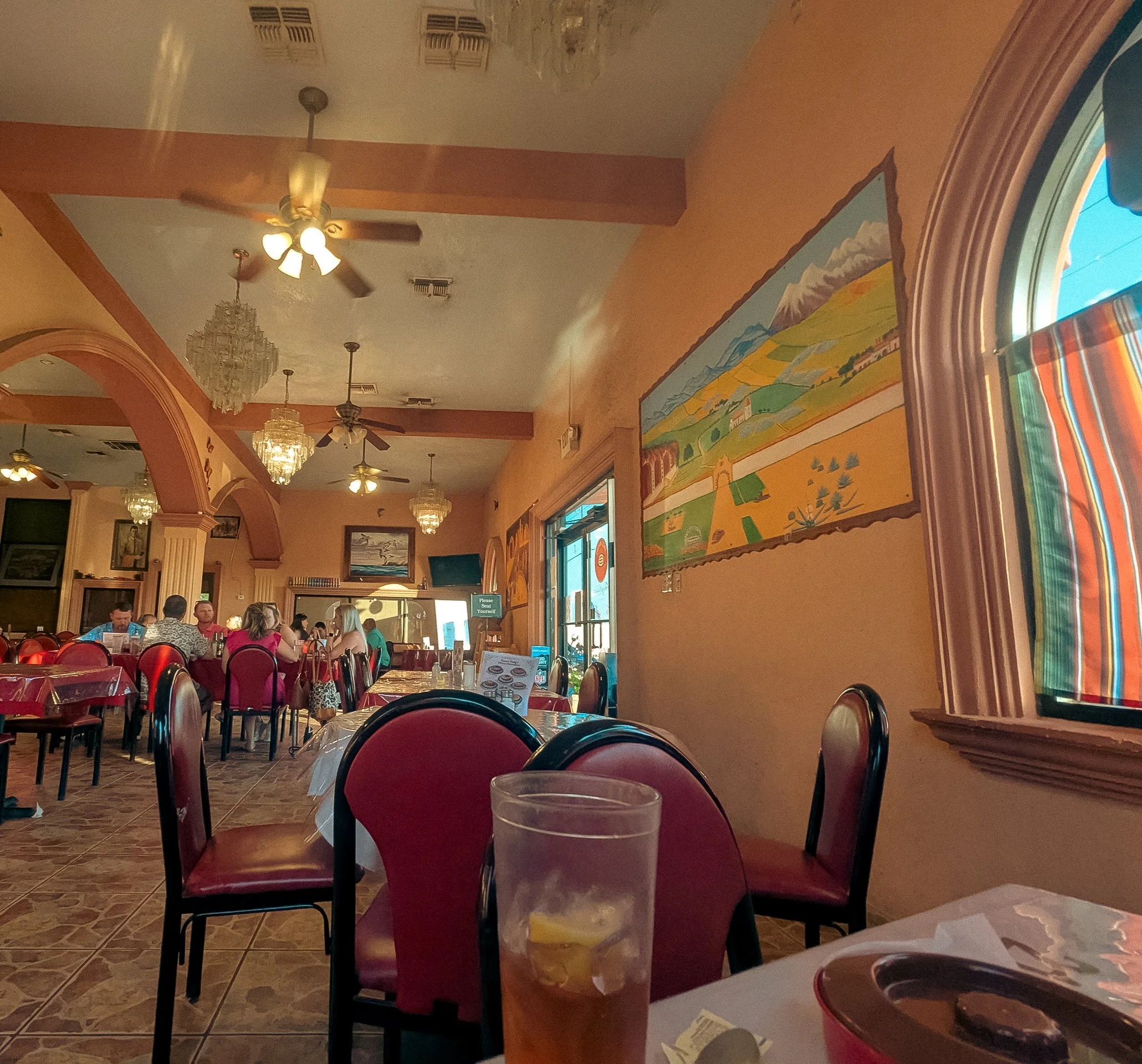
The Cafe With the Sweet Tea and the Ghosts
Thank you for the cafes, the Mexican restaurants, the little tables where people came to eat, talk, complain, forgive each other quietly, and pretend the world was not actively chewing through the wiring. Thank you for the sweet tea sweating in a plastic cup while ceiling fans turned above us like tired angels. These were not fancy places. They were better than fancy. They were human. You could sit there with a basket of chips, overhear three family dramas, two political opinions, one medical update, and a lie about how good somebody’s grandson was at baseball, all before the enchiladas hit the table. That is community, ugly and holy and loud. I loved it. I hated it. I belonged to it more than I wanted to admit.
The Dairy Queen Where Mamaw Worked
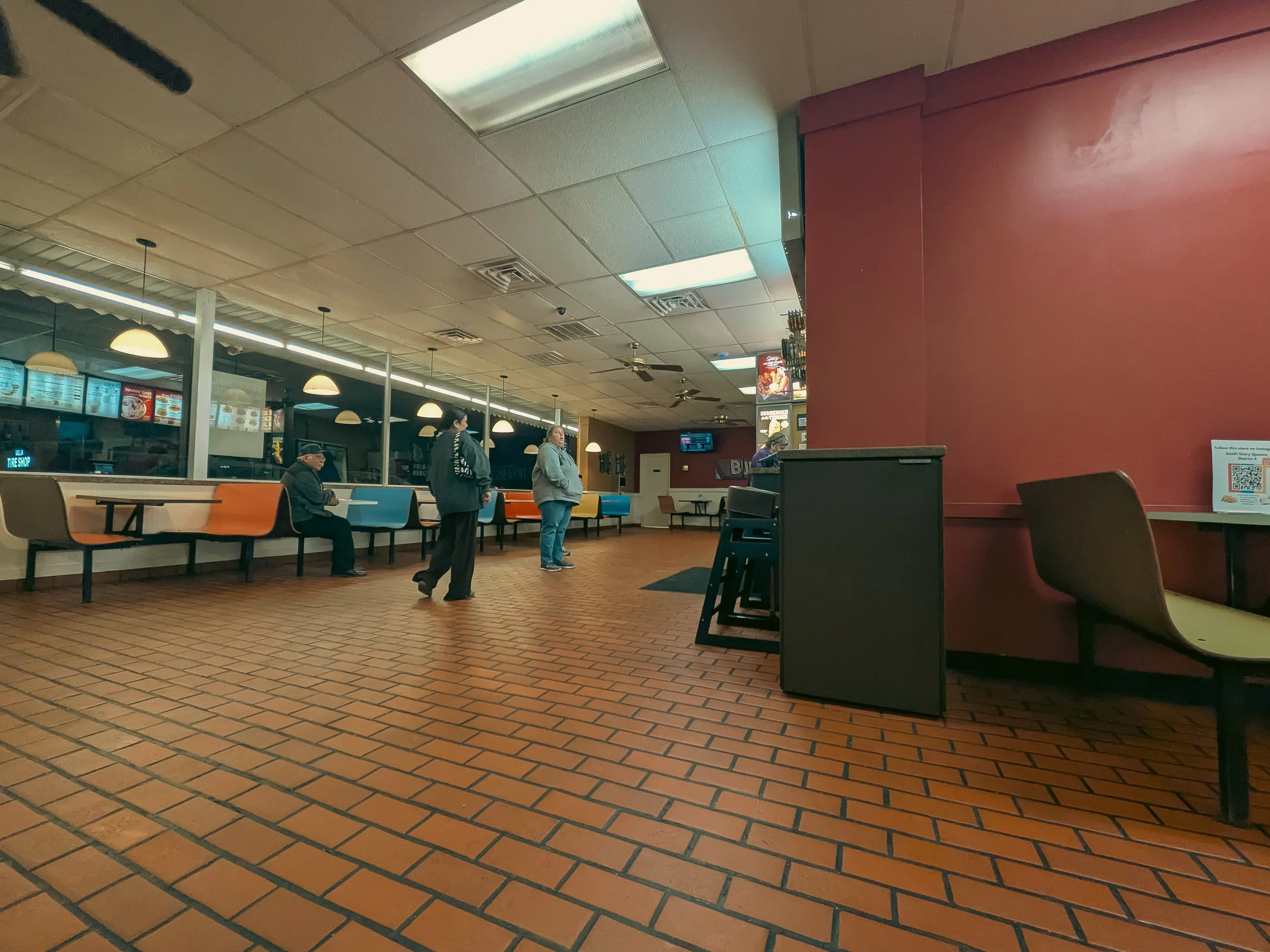
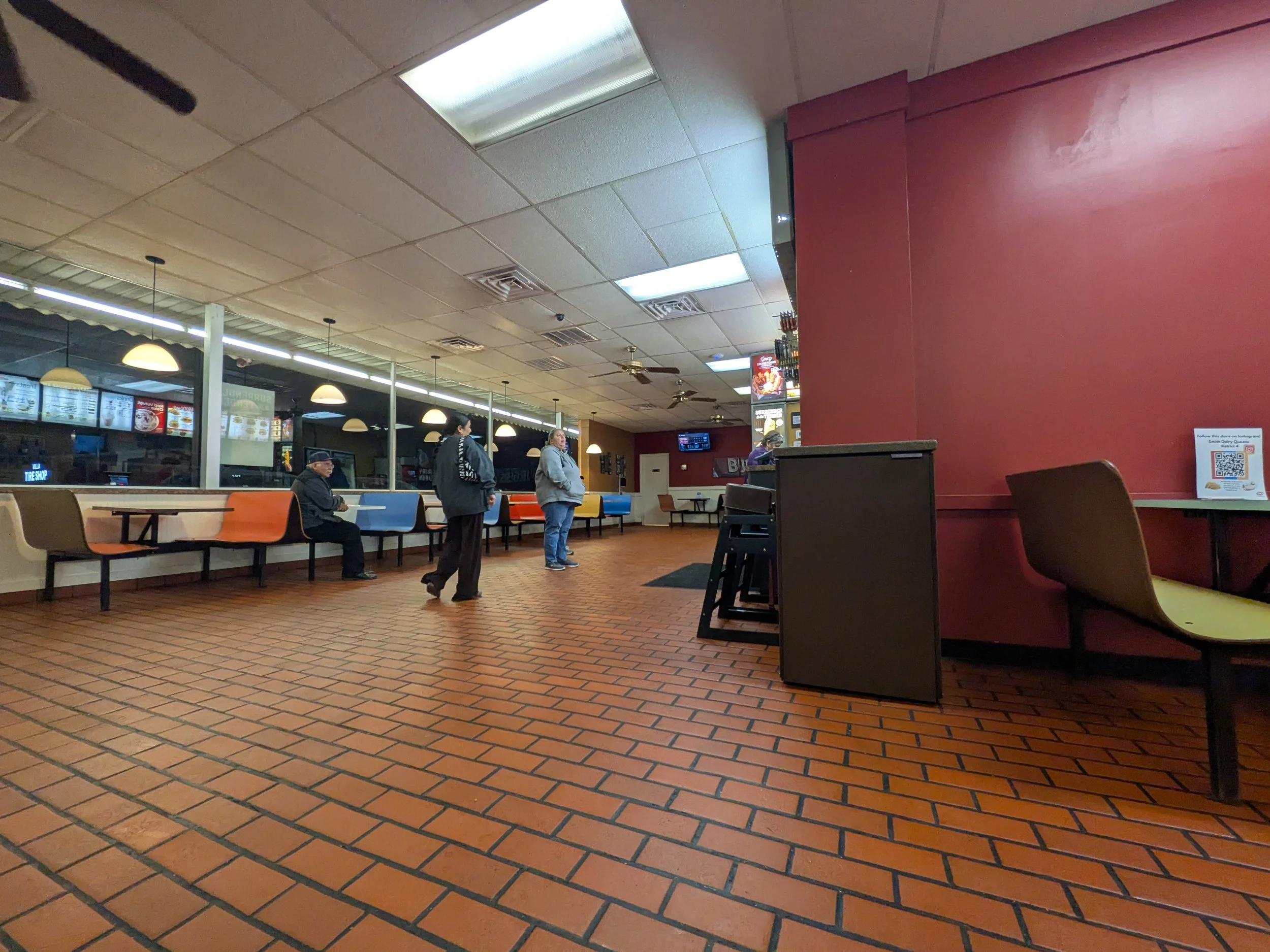
And thank you, most of all, for the Dairy Queen where my Mamaw stood for hours working the counter, taking up the slack because that is what women like her did. They did not write manifestos about sacrifice. They did not brand themselves as resilient. They just showed up, tied the apron, counted change, smiled when they were tired, and carried families on their backs while everybody else argued about who had it worse. That place was not just fast food. It was a witness stand. It saw working-class endurance in sensible shoes. It saw the kind of love that does not announce itself because it is too busy paying the light bill. So thank you, hometown, for giving me her example. Thank you for the hardship and the humor, the beauty and the bitterness, the small minds and the big skies. Thank you for raising me rough enough to leave, and rooted enough to understand why leaving did not mean forgetting.