

Why the Chili Queens Were So Important to San Antonio and Texas Culture
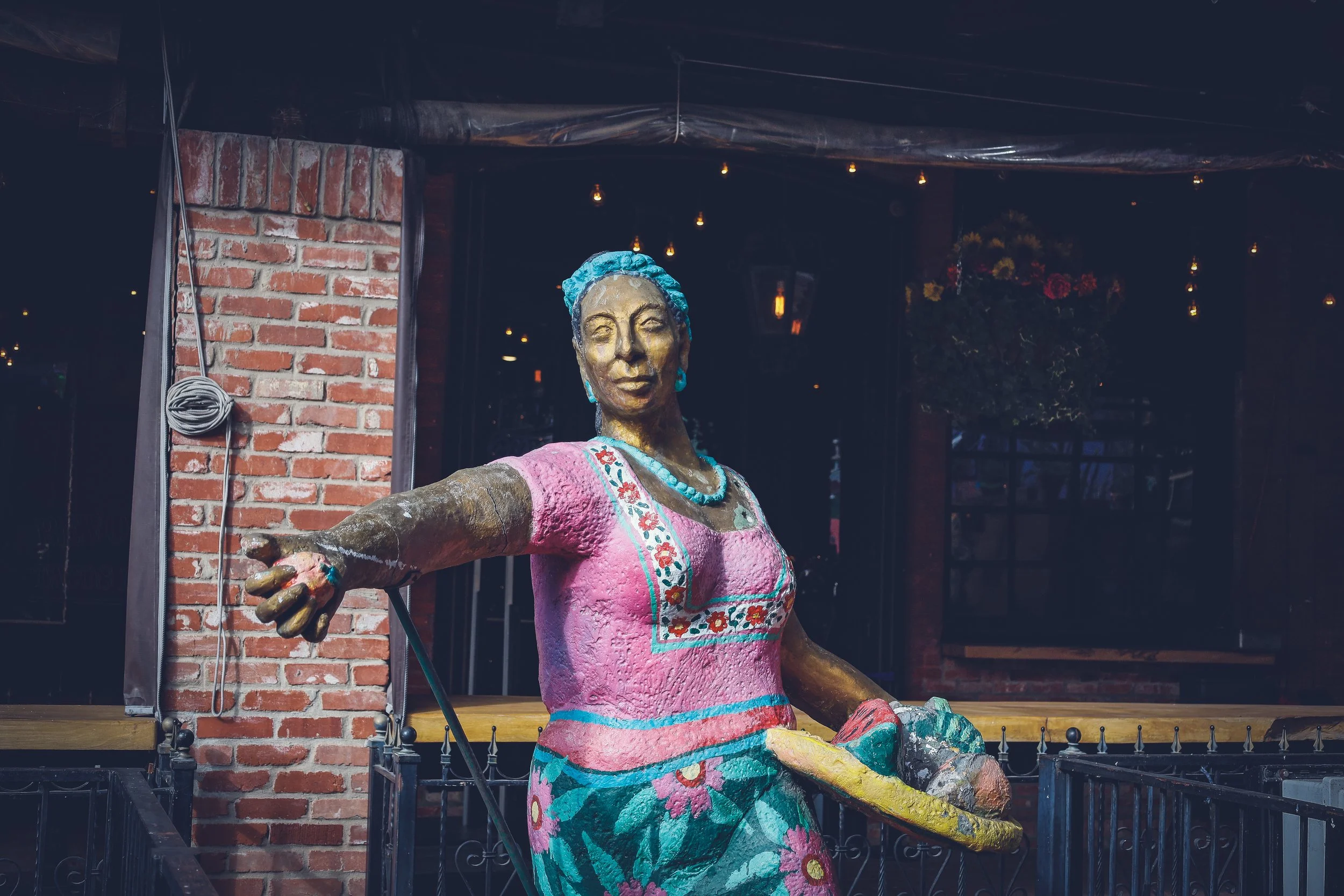
There are some stories in Texas history that smell like dust, mesquite smoke, hot grease, and politics.
The Chili Queens of San Antonio are one of those stories.
Before the River Walk became a postcard, before downtown San Antonio became a cleaned-up tourist machine with margarita specials and laminated menus, the plazas belonged to working people. Wagon drivers. Soldiers. Ranch hands. Musicians. Market women. Families trying to survive. Strangers passing through town with bad boots and empty stomachs.
And there, in the middle of it all, were the Chili Queens.
They were mostly Mexican and Mexican American women who set up open-air food stands in the plazas of San Antonio, especially places like Military Plaza, Market Square, Alamo Plaza, Haymarket Plaza, and Milam Park. They cooked by lantern light and mesquite fire, serving chili con carne, tamales, enchiladas, frijoles, menudo, and whatever else could keep a person standing after a long day in the South Texas sun. Their stands were part restaurant, part street theater, part political forum, part family business, and part cultural engine. From the 1860s into the early 20th century, they helped make San Antonio famous.
That matters.
Because the history of San Antonio is not just the Alamo, old missions, generals, governors, and bronze plaques screwed into limestone walls. It is also the history of women feeding people in the street. It is the history of Tejanas building business out of hunger, flavor, labor, and nerve. It is the history of a city becoming itself one bowl at a time.
The Chili Queens were not playing at culture. They were making it.
The Institute of Texan Cultures notes that San Antonio’s Chili Queens were enterprising Latinas who supported their families by selling food in the plazas, including their version of chile con carne — the likely root of what most Texans now think of as Texas chili. That little fact should hit harder than it usually does. The official state dish of Texas did not fall from the sky wearing a cowboy hat. It came out of Mexican, Tejano, working-class, female labor in San Antonio.
That is the kind of truth that makes certain people nervous.
Because it wrecks the clean myth. It kicks the door open and says: Texas culture was never one thing. It was never purely Anglo, purely cowboy, purely frontier, purely anything. Texas culture came out of contact. Conflict. Trade. Hunger. Migration. Ranch roads. River towns. Spanish missions. Mexican markets. German immigrants. Black cowboys. Indigenous trails. Working women. Poor people with recipes nobody bothered to write down because they were too busy trying to stay alive.
The Chili Queens were important because they turned public space into community space.
Texas Public Radio’s reporting on the Chili Queens describes the plazas as places where people from all walks of life gathered, ate, talked, listened to music, heard news, and mixed across class lines. A banker could stand near a laborer. A ranch hand could eat beside a traveler. Musicians moved from table to table. News and politics moved through the crowd. For Spanish-speaking Mexican Americans who did not always have access to English-language media, those plazas could become places of information, argument, and public life.
That is radical.
Not fake radical. Not bumper-sticker radical. Real radical.
A woman with a pot of chili and a fire could build a public square more honest than half the marble buildings in America.
And then came the usual machinery.
Health rules. Sanitation complaints. Pressure from indoor restaurants. Bureaucratic tightening. The city shut the stands down at different times, and public outcry sometimes brought them back. But by the late 1930s and early 1940s, the old Chili Queen tradition was effectively crushed by city health officials and changing downtown economics.
Of course, the official reason was cleanliness.
It always is.
Nobody ever says, “We are nervous because poor Mexican women have built something powerful in the middle of town.” Nobody says, “We are uncomfortable because culture is happening outdoors without permission.” Nobody says, “These women are making money without rent, without white tablecloths, without asking the city fathers to bless the operation.”
No. They say sanitation.
And sometimes sanitation is real. Nobody wants dysentery with their tamales. But history gets dangerous when we pretend regulation is always neutral. The Chili Queens were pushed out at the same time San Antonio was becoming more modern, more controlled, more commercial, and more eager to package its identity for visitors.
That is why this story matters today.
Because every city has to decide what kind of history it wants to remember. The polished version? Or the true one?
San Antonio loves its food culture now. Tex-Mex is everywhere. Chili is sacred. Market Square is a landmark. The River Walk sells the romance of old San Antonio every night under the lights. But the Chili Queens remind us that the real romance was not invented by a tourism board. It came from working women hauling pots, wood, tables, chairs, food, and family labor into the plaza before most people had finished their coffee.
They built the original San Antonio food scene.
They helped create Texas chili.
They gave the city one of its most powerful public traditions.
And they proved something South Texas still understands: culture does not always come from the top down. Sometimes it comes from a woman stirring a pot in the dark while the band plays, the customers laugh, the politicians talk too loud, and the whole city gathers around the fire.
That is not a side note in Texas history.
That is the damn story.